


Modern Kitchen Extractor Fan
Add a review FollowOverview
-
Founded Date March 10, 1906
-
Industrys Career Coaching & Professional Development
-
Posted Jobs 0
-
Viewed 35
Company Description
10 Startups That Are Set To Revolutionize The Chimney Cooker Hood Industry For The Better
A Comprehensive Guide to Chimney Cooker Hoods: Elevate Your Kitchen Experience
In modern kitchens, performance and style typically work together. One important appliance that combines these two aspects wonderfully is the chimney cooker hood. As property owners make every effort for a tidy, efficient cooking environment, chimney cooker hoods stand apart as popular choices. In this blog post, we will look into what chimney cooker hoods are, their functions, setup factors to consider, upkeep, and why they may be the perfect addition to your cooking space.
What is a Chimney Cooker Hood?
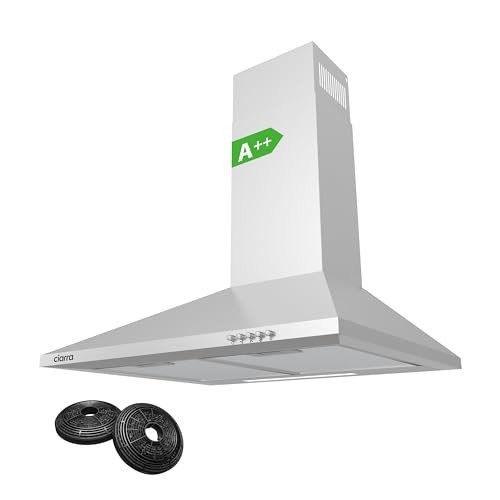
Chimney cooker hoods, often referred to as extractor hoods or range hoods, are ventilation systems installed above cooking surfaces to draw out smoke, odors, steam, and grease produced during cooking. Their design often resembles a chimney, making them aesthetically appealing and a centerpiece in many kitchens.
Table 1: Key Components of a Chimney Cooker Hood
| Component | Description |
|---|---|
| Ducting | Responsible for moving air to the outside or through a filter. |
| Filter | Catches grease and particles; can be metal (washable) or charcoal (replaceable). |
| Fan/Blower | Draws air from the kitchen and expels it outdoors or recirculates it. |
| Light | Often integrated to brighten the cooking surface area. |
| Control board | Permits users to change settings such as fan speed and lighting. |
Advantages of Chimney Cooker Hoods
Setting up a chimney cooker hood offers many benefits that enhance both the cooking experience and total kitchen ambiance.
-
Improved Air Quality: By effectively removing smoke, steam, and smells, these hoods substantially improve the kitchen’s air quality.
-
Aesthetic Appeal: With various designs, surfaces, and designs, chimney hoods can work as a stylish focal point in the kitchen.
-
Improved Comfort: By decreasing heat and humidity levels during cooking, chimney hoods produce a more comfy working environment.
-
Grease Reduction: They help keep the kitchen clean by lowering grease accumulation on surfaces and devices.
-
Versatile Installation Options: Chimney cooker hoods can be installed as wall-mounted or island alternatives, accommodated the kitchen layout.
Table 2: Comparison of Chimney Hood Types
| Type | Ducted | Ductless |
|---|---|---|
| Air Filtration | Filters and vents air outside. | Uses filters to recirculate air. |
| Installation Cost | Generally greater due to ductwork. | Lower, as no duct installation is needed. |
| Maintenance | Ducts require cleansing periodically. | Filters require regular replacement. |
| Performance | Superior in air quality management. | May not get rid of all smells effectively. |
Functions to Consider
When picking a chimney cooker hood, numerous features should be considered to ensure that it fulfills your cooking requirements and aesthetic preferences.
CFM Rating
The cubic feet per minute (CFM) rating indicates just how much air the hood can move. A higher CFM is ideal for larger kitchens or if you often cook with high heat.
Noise Level
Determined in sones, consider a quieter design if you have an open kitchen or spend long durations cooking.
Controls
Look for intuitive controls, whether they are push-button, touch, or remote-controlled, to ensure ease of usage.
Lighting
Integrated lighting can improve exposure while cooking; LED lights are energy-efficient and long-lasting.
Style
Choose a style that matches your kitchen design, whether modern, contemporary, or conventional.
Setup Considerations
Setting up a chimney cooker hood includes cautious preparation and factor to consider. Here are some important points to remember:
-
Height: The hood should be placed at an optimal height above the cooking surface area– usually between 24 to 30 inches for gas ranges and 20 to 24 inches for electric ranges.
-
Ducting: For ducted models, ensure that a suitable path for ducting exists. Think about working with an expert for the installation.
-
Power Supply: Verify that there is a neighboring power outlet that satisfies the hood’s voltage requirements.
-
Size: The hood needs to be at least as large as the cooking surface area to catch all fumes effectively.
FREQUENTLY ASKED QUESTION
1. How frequently should the filters be changed?
- It is recommended to clean metal filters every 1-2 months and change charcoal filters every 6 months to guarantee ideal efficiency.
2. Can I set up a chimney cooker hood myself?
- While it’s possible for useful individuals, professional installation is encouraged, specifically for ducted designs.
3. What is the perfect CFM for my chimney hood?
- A CFM score of 300-600 is generally sufficient for most home cooking requirements. If you often prepare with high heat, think about higher CFM rankings.
4. How do I tidy my chimney cooker hood?
- Tidy the exterior frequently with a moist fabric and moderate detergent. For filters, examine the manufacturer’s directions on how to clean or change them.
5. Are chimney hoods energy-efficient?
- Lots of modern chimney hoods are designed to be energy-efficient, especially those with LED lighting and variable speed settings.
Maintenance Tips
To ensure your chimney cooker hood runs efficiently, follow these upkeep suggestions:
-
Regular Cleaning: Clean the outside and interior surfaces frequently to avoid grease buildup. Utilize a cleaner appropriate for your hood’s surface.
-
Filter Maintenance: Clean metal filters regular monthly and replace charcoal filters as required.
-
Examine Ductwork: Inspect ducts regularly to remove any blockages; this will help keep optimal airflow.
-
Professional Servicing: Consider annual assessments or servicing by a certified professional.
Chimney cooker hoods are an excellent financial investment for any kitchen, supplying improved air quality, aesthetic appeal, and general cooking convenience. By thinking about the essential elements, benefits, features, and upkeep involved, homeowners can make informed decisions that will elevate their cooking experience. Buying the best chimney cooker hood not only enhances the functionality of the kitchen but also adds a touch of modern sophistication that can rejuvenate the whole space. Whether you’re a casual cook or a cooking enthusiast, a chimney cooker hood makes certain to be an important addition to your home.